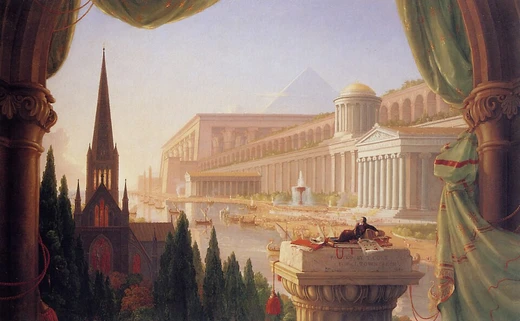
Postmodern architecture
A reaction against modernism's austerity, embracing complexity and historical reference.

LeRenartQuiPense · CC BY 4.0
Postmodern architecture is a style or movement that emerged in the 1960s as a reaction against the austerity, formality, and lack of variety of modern architecture, particularly the International Style. The style flourished from the 1980s through the 1990s, notably in the work of Scott Brown & Venturi, Philip Johnson, Charles Moore, and Michael Graves, before dividing into multiple new tendencies in the late 1990s.
- later_divisions
- none; postmodernism itself is a distinct movement, not a parent category for later styles
Lore & Background
Postmodern architecture emerged in the late 1960s as a reaction against the perceived shortcomings of modern architecture, particularly its rigid doctrines, uniformity, lack of ornament, and disregard for the history and culture of cities.
Reader's Guide
Postmodern architecture's significance lies in its deliberate break from the functionalist doctrines of modernism, reintroducing ornament, historical allusion, and contextual sensitivity. The movement, formally launched by Venturi and Scott Brown, challenged the International Style's uniformity and sought to create buildings that engaged with their surroundings and users. The style flourished through the 1980s and 1990s, producing iconic works by Philip Johnson, Michael Graves, and Charles Moore. In the late 1990s, postmodernism divided into high-tech architecture, neo-futurism, new classical architecture, and deconstructivism, though some buildings built after this period are still considered postmodern. Its legacy includes a lasting influence on retail design, as seen in Michael Graves's work for Target and J.C. Penney, and a broader acceptance of eclectic, historically informed architecture.
Intellectual Roots and the Case Against Modernism
Postmodern architecture took shape in the late 1960s as a deliberate pushback against what its proponents saw as the sterile rigidity of the International Style. Modernism, as championed by figures like Philip Johnson and Henry-Russell Hitchcock, was criticized for its uniformity, its refusal of ornament, and its tendency to bulldoze local history and cultural identity in favor of universal glass boxes. Robert Venturi crystallized this dissent in his 1966 book Complexity and Contradiction in Architecture, published by the Museum of Modern Art. There he argued for hybridity over purity, for messy vitality over tidy unity, and for an architecture that embraced ambiguity rather than excluding it. His famous retort to Mies van der Rohe's 'Less is more' — 'Less is a bore' — became a rallying cry. Denise Scott Brown reinforced the argument with the conviction that buildings must serve real people and that architecture should listen to its surroundings rather than impose a designer's fantasy. Together they formalized this thinking in Learning from Las Vegas (1972), co-written with Steven Izenour, which urged architects to celebrate the existing built environment, from high-style monuments to humble vernacular structures, rather than erase it.
The Architects Who Gave It a Face
Robert Venturi (1925–2018) occupies a unique position as both the movement's principal theorist and a practicing architect whose built work embodied his ideas. After training at the American Academy in Rome and working in the studios of Eero Saarinen and Louis Kahn, he settled into a professorship at Yale, where he produced buildings that wove together historic precedent and the lived reality of their urban context. Michael Graves (1934–2015) followed a different trajectory: once counted among the New York Five alongside Peter Eisenman, Charles Gwathmey, John Hejduk, and Richard Meier as a champion of pure modernism, he pivoted decisively toward postmodernism in 1982 with the Portland Building. Charles Moore (1925–1993) brought a theatrical, almost playful sensibility, drawing on Spanish Revival and Art Deco vocabularies for commissions like the Beverly Hills Civic Center. Denise Scott Brown, Venturi's wife and collaborator, contributed the urban-planning perspective that kept the movement grounded in human need. Together, these figures — along with Philip Johnson — carried postmodern architecture from theoretical manifesto into the built landscape of the 1980s and 1990s.
Landmark Buildings That Defined the Style
The postmodern vocabulary found its most celebrated expressions in a handful of structures that became instantly recognizable. Venturi's Guild House in Philadelphia, completed between 1960 and 1963, along with the modest house he designed for his mother in Chestnut Hill, became symbolic touchstones of the new approach — welcoming variety and historical reference without reverting to a mere academic revival. Michael Graves's Portland Building, delivered in 1982, was among the first major public structures to fully embrace postmodern principles and has since earned a place on the National Register of Historic Places. His Denver Public Library followed as another landmark. Charles Moore's Piazza d'Italia in New Orleans (1978) offered a public square assembled from an exuberant collage of Italian Renaissance fragments, while his Beverly Hills Civic Center blended Spanish Revival, Art Deco, and postmodern gestures into courtyards, colonnades, and promenades. Graves also extended his influence into commercial design, shaping the look of large retail stores for chains like Target and J.C. Penney, which in turn reshaped the appearance of city-center shopping and malls across the United States.
International Reach and the Movement's Aftermath
Postmodern architecture's influence spread well beyond the United States. In Italy, Aldo Rossi mounted a parallel critique of the modernist rebuilding of war-damaged cities, insisting that reconstruction respect each place's original street plans, architectural history, and local traditions rather than imposing a foreign aesthetic. Similar calls for a post-modern sensibility were voiced at the 1980 Venice Biennale and picked up by Christian de Portzamparc in France, Ricardo Bofill in Spain, and Arata Isozaki in Japan. The style reached its peak popularity during the 1980s and 1990s. Charles Jencks, in his 1977 book The Language of Post-Modern Architecture, famously pronounced the 'death' of modern architecture, a declaration that lent the movement a sense of historical finality. By the late 1990s, however, the unified postmodern current fractured into a constellation of newer tendencies — high-tech architecture, neo-futurism, new classical architecture, and deconstructivism — each pulling the field in a different direction. Even so, some buildings constructed after that split continue to be classified as postmodern, testifying to the style's lingering grip on architectural imagination.
Gallery
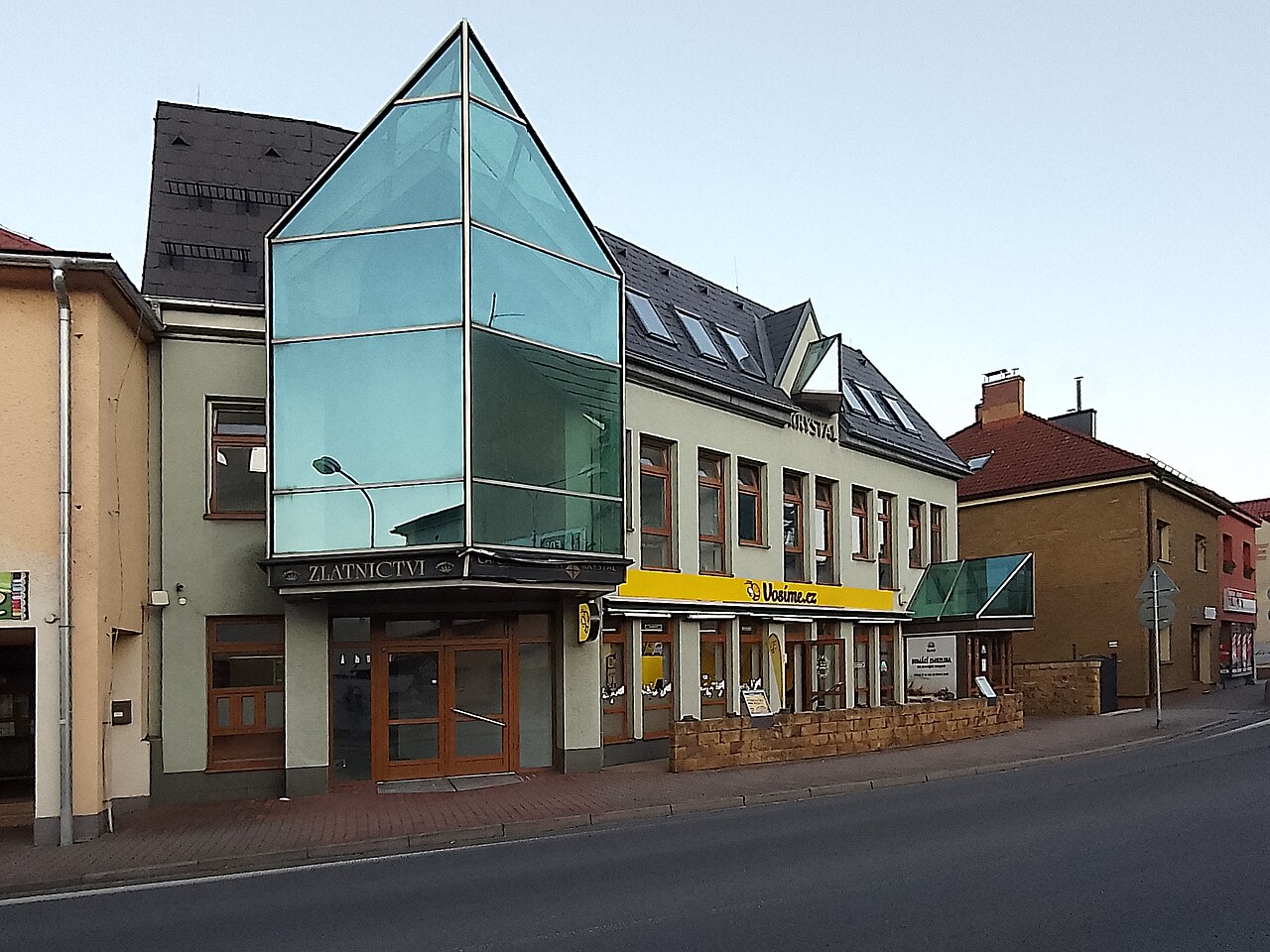
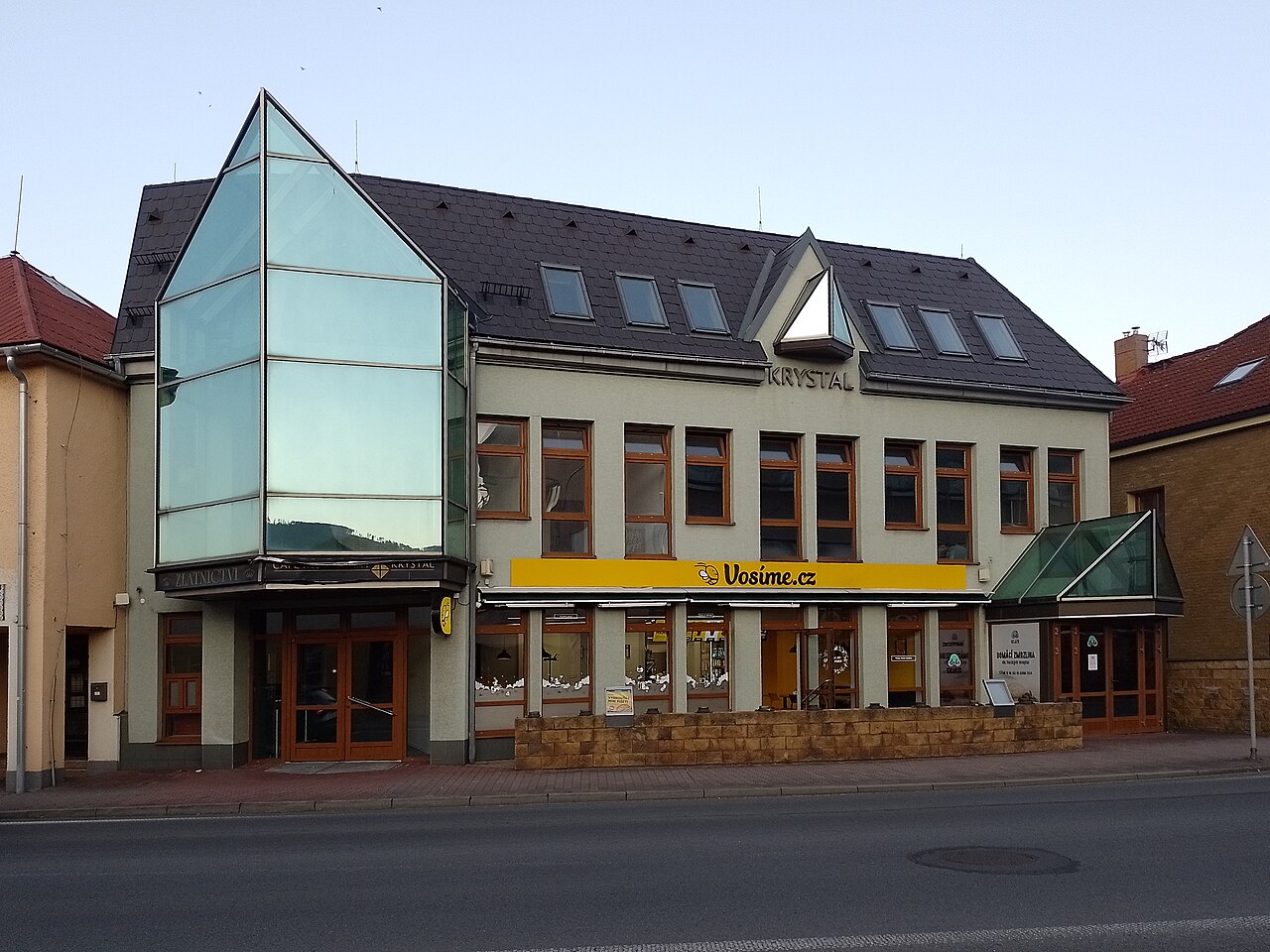



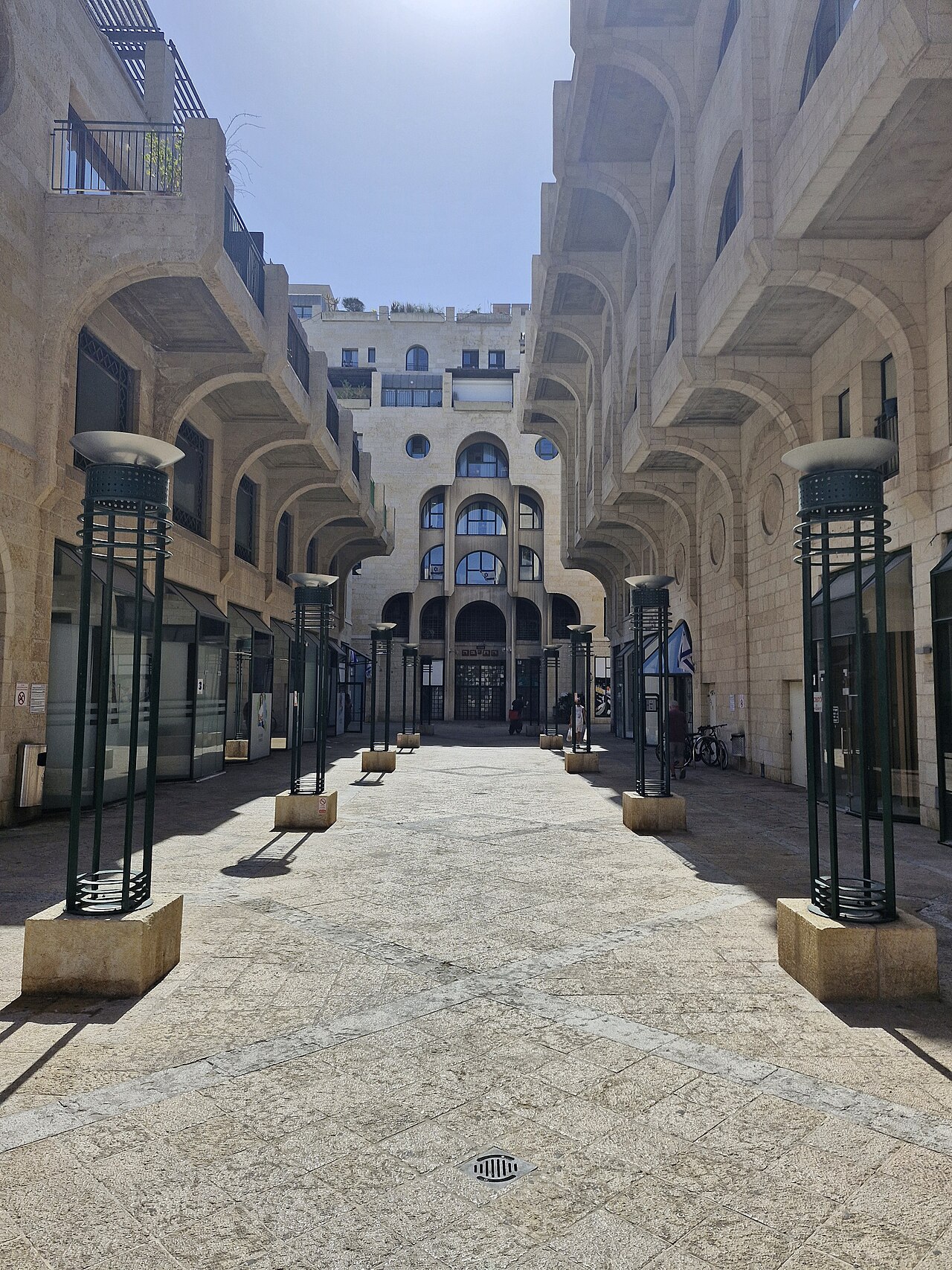
Frequently Asked Questions
What is Postmodern architecture?
Postmodern architecture is a design movement that took shape in the 1960s as a deliberate pushback against the rigid, austere International Style that had dominated for decades. It reached its broadest public influence during the 1980s and 1990s before gradually losing its unified identity.
What are Postmodern architecture's defining traits?
The style rejects modernism's austere minimalism in favor of ornament, irony, bold color, and playful references to historical building forms. Rather than treating a façade as a blank, universal surface, Postmodern buildings often mix classical motifs, pop-culture nods, and contextual storytelling into a single composition.
How does Postmodern architecture's story end?
The movement did not pass into a single successor style; instead, it splintered into several newer tendencies in the late 1990s. Postmodernism stands as its own distinct movement rather than a parent category that generated later architectural styles.
Why is Postmodern architecture important?
It shattered the decades-long assumption that good architecture must be a universal, context-free white box, showing that buildings could reference local history, engage with their surroundings, and communicate through visual narrative. Its legacy is that subsequent styles no longer treat modernist austerity as the only legitimate starting point.
Who are the key architects most associated with Postmodern architecture?
Robert Venturi and Scott Brown, Philip Johnson, Charles Moore, and Michael Graves are widely cited as the movement's leading practitioners. Their built work in the 1970s through the 1990s gave the style its most recognizable public face.
More in Architectural Styles And Elements 1-18
Spotted an error? Know more?
This is a living reference — every entry is fact-audited, and reader corrections feed straight into our audit queue. Suggest an edit · See this site's audit record