Romanesque architecture
First pan-European architectural style since Imperial Roman architecture.

Txllxt TxllxT · CC BY-SA 4.0
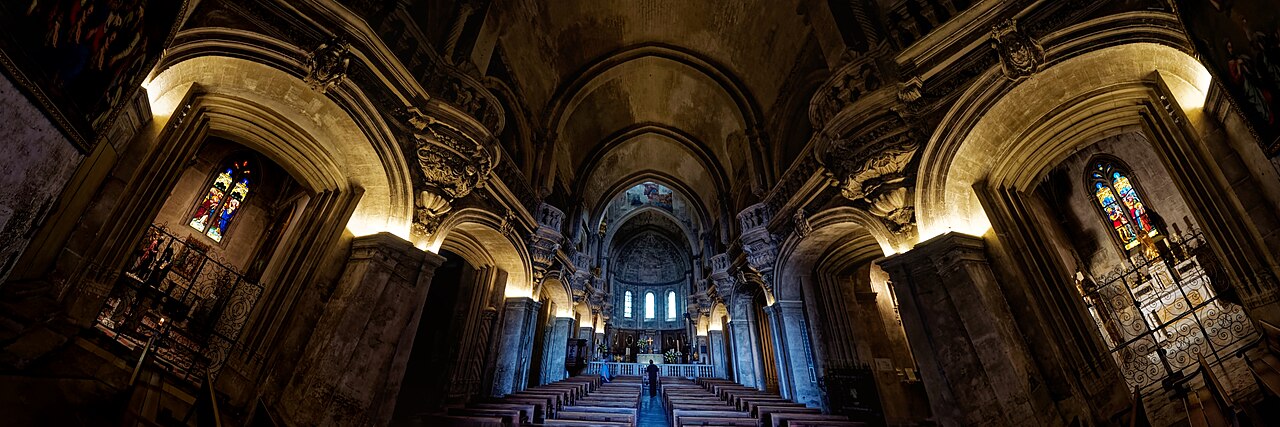
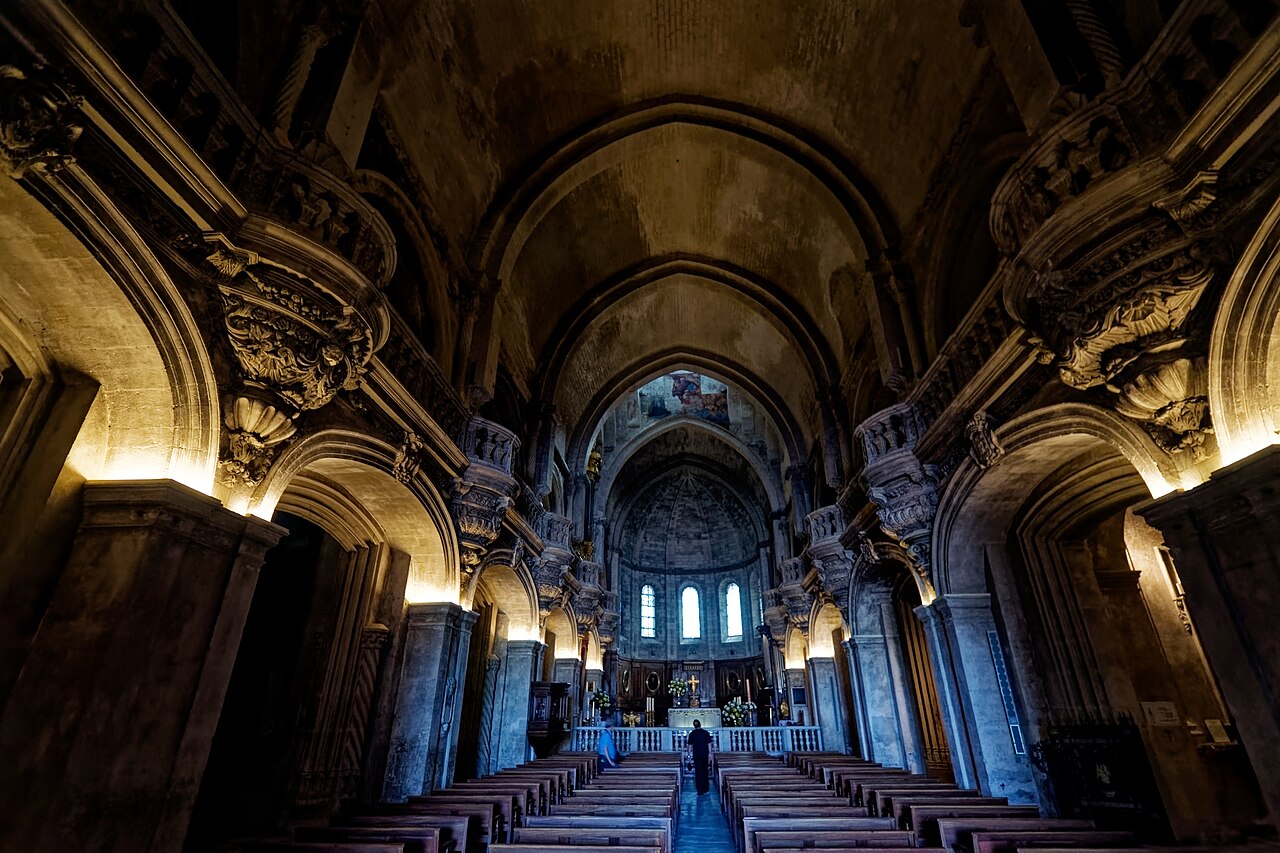
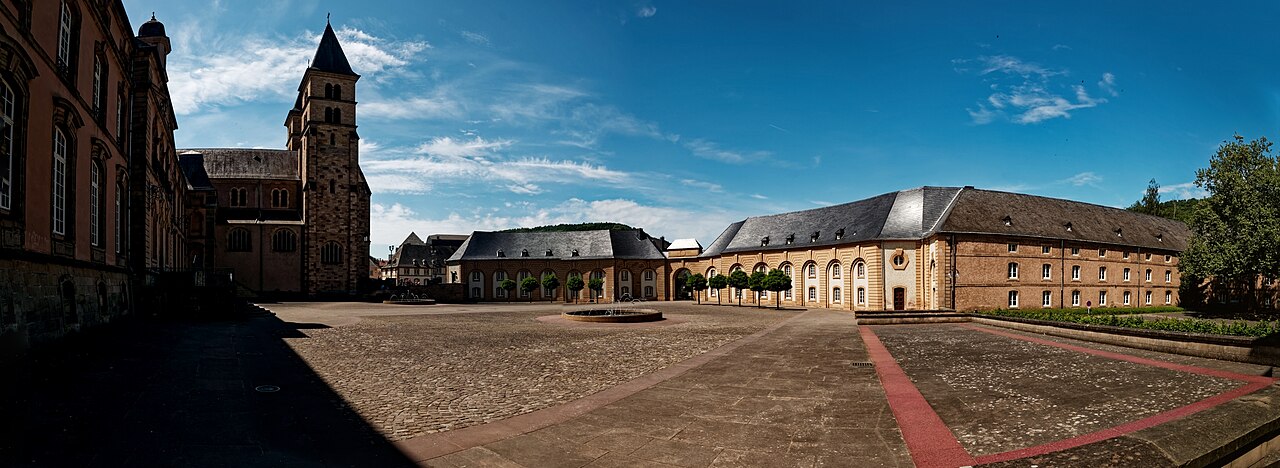
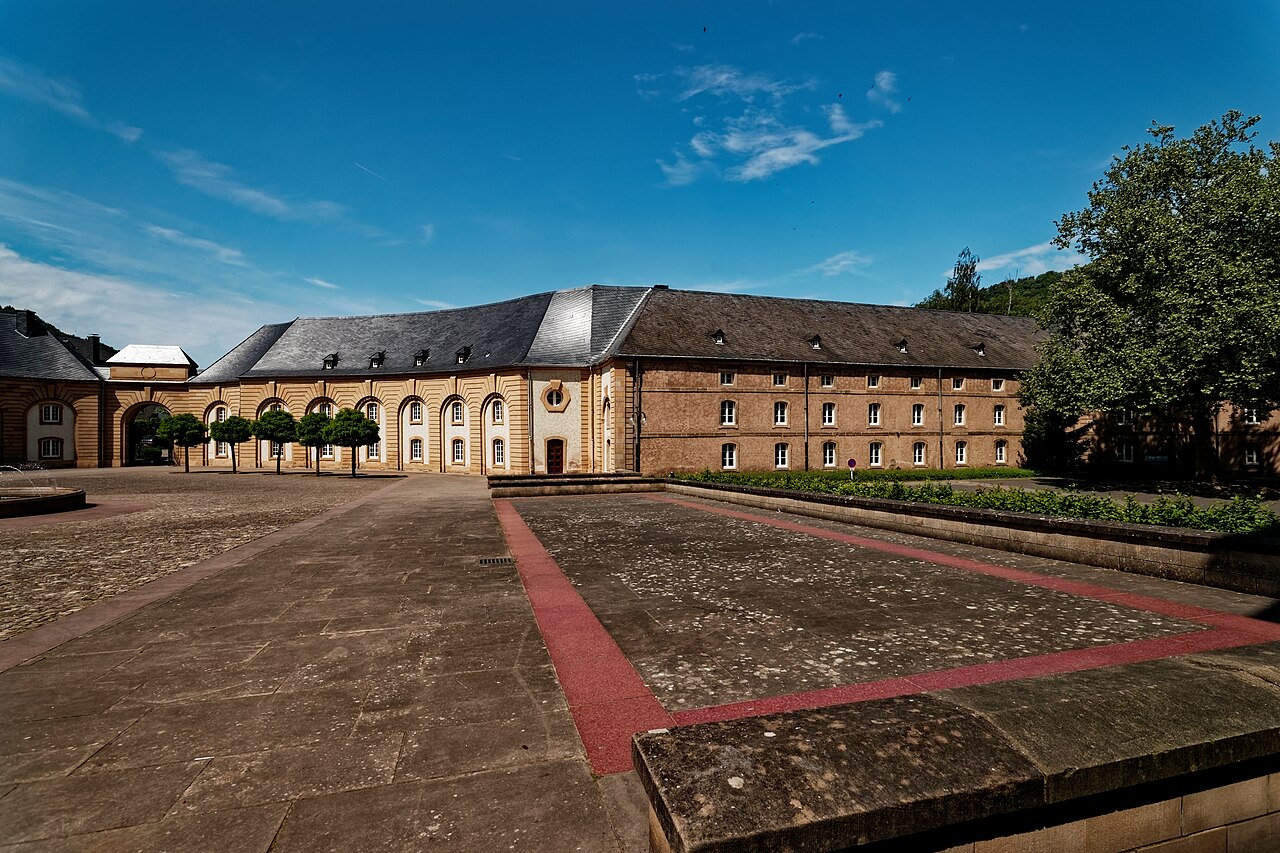
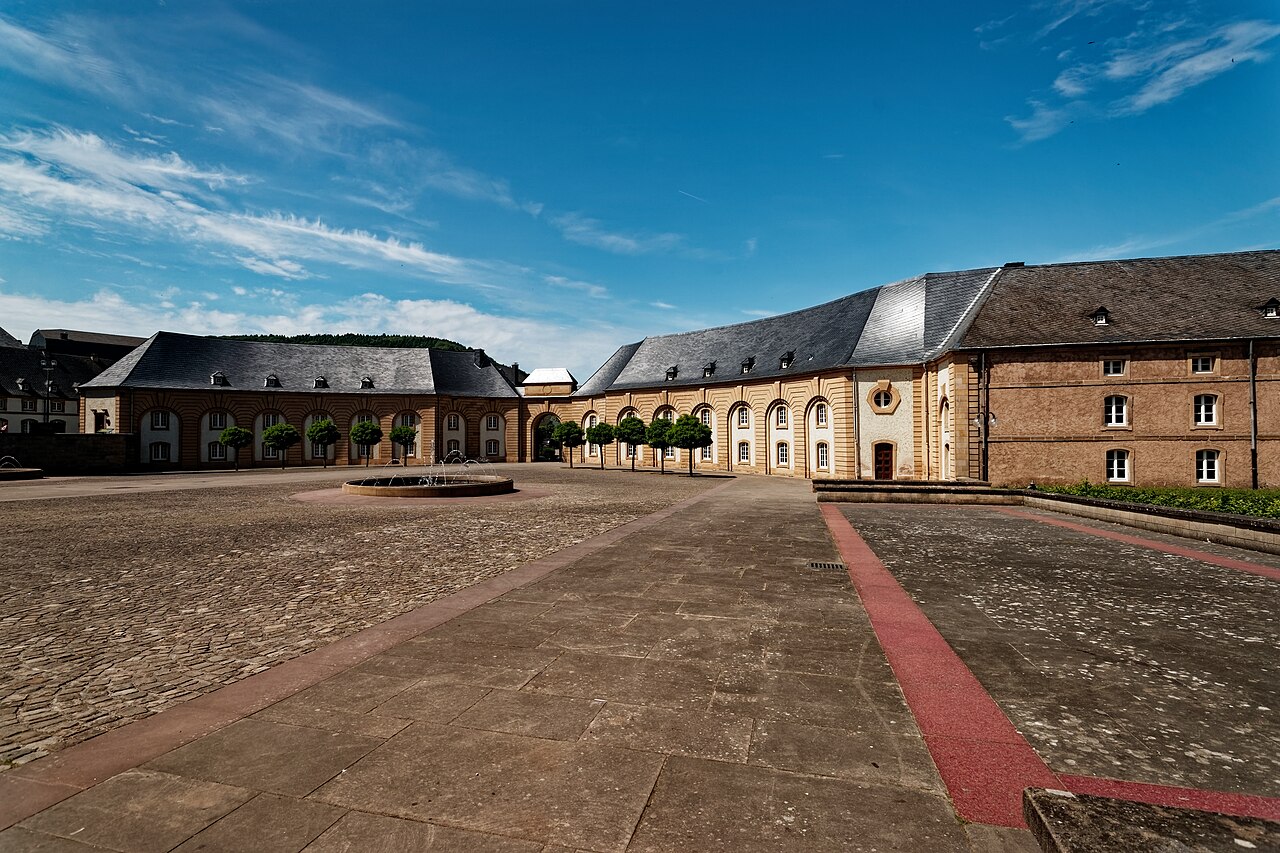
Romanesque architecture is an architectural style of medieval Europe that was predominant in the 11th and 12th centuries. It emerged nearly simultaneously in multiple countries of Western Europe, making it the first pan-European architectural style since Imperial Roman architecture. Combining features of ancient Roman and Byzantine buildings and other local traditions, it is known for its massive quality, thick walls, round arches, sturdy pillars, barrel vaults, large towers, and decorative arcading. The style eventually developed into Gothic architecture, with the shape of the arches providing a simple distinction: Romanesque is characterized by semicircular arches, while Gothic is marked by pointed arches.
- field
- Architecture
- known_for
- Semicircular arches, massive forms, barrel vaults, first pan-European style since Roman Empire
- period
- 11th and 12th centuries (predominant); also described from 11th to 13th century
- preceded_by
- Pre-Romanesque (Carolingian, Ottonian, Visigothic, Mozarab, Asturian)
- succeeded_by
- Gothic architecture
Reader's Guide
Romanesque architecture is significant as the first distinctive style to spread across Europe since the Roman Empire, marking a revival of large-scale stone building after the decline of Rome. Its development of vaults from barrel and groin vaults to ribbed vaults was the main structural innovation of the period. The style is universally accepted as a convenient label despite some scholarly disagreement over a precise definition, with some researchers arguing that due to its 'astonishing diversity' a unanimous definition is impossible. By far the greatest number of surviving Romanesque buildings are churches, ranging from tiny chapels to large cathedrals, with the largest groups of survivors in areas that were less prosperous in subsequent periods, including parts of southern France, rural Spain, rural Portugal, and rural Italy. The style's legacy includes its influence on Gothic architecture and its role in establishing a common architectural vocabulary across Western Europe.
Did You Know?
- The distinction between Romanesque and Gothic was recognized as early as the 15th century, as shown in Robert Campin's painting 'Marriage of the Virgin'.
- The largest groups of surviving Romanesque churches are in areas that were less prosperous in later periods, such as parts of southern France, rural Spain, rural Portugal, and rural Italy.
- The development of vaults from barrel and groin vaults to ribbed vaults was the main structural innovation of the Romanesque period.
Defining the Unseen: What Constitutes an Architectural Style
An architectural style is far more than a visual impression. It is a rigorous classification system that sorts buildings and building structures according to eighty-four distinct characteristics and features. These range from the obvious—overall appearance, form, and size—to the more technical: the arrangement of components, the method of construction, the materials employed, the structural style, and even the regional character of a building. Styles are typically anchored to a historical epoch, a geographical location, or a predecessor style, and they are shaped by broader artistic currents as well as what might be called the general human condition of their time. Heinrich Wölfflin captured this idea with a striking analogy: a building is like a costume, and an architectural style reflects the attitude and movement of the people who lived in that period. It is worth noting that folk or vernacular architecture—small-scale construction guided by local customs without a clear builder identity—does not qualify as a style at all.
The Enlightenment Break: Style as a Historical Category
For most of architectural history, the very notion of style was alien to the people who designed buildings. Before the era of Enlightenment, architectural form was regarded as something timeless—either a divine revelation handed down from above or an absolute truth derived from the immutable laws of nature. In that worldview, a great architect was simply one who had mastered this universal language. The Enlightenment shattered that assumption. By declaring each historical period to be a distinct stage in humanity's growth—a notion traceable to Johann Gottfried Herder's concept of Volksgeist, which later evolved into the broader idea of Zeitgeist—scholars could finally treat the architecture of every age as an equally valid expression, a style. The word itself came to be used in this sense by the mid-eighteenth century. This reframing gave architecture an organizing principle: style creates an additional relationship between otherwise disparate buildings, serving, as one scholar put it, as a safeguard against chaos.
Migration and Rebirth: How Styles Travel and Return
Architectural styles grow out of the long history of a particular society, and at any given moment several may be fashionable simultaneously. Change is rarely sudden; architects gradually absorb new ideas, and a new style is sometimes simply a rebellion against its predecessor—postmodernism, meaning after modernism, being a case in point, and by the twenty-first century it had developed its own language and fractured into multiple styles with entirely new names. Styles also travel. The Renaissance, rooted in Italy around 1425, radiated across Europe over roughly two hundred years, producing French, German, English, and Spanish variants that shared a recognizable core yet each carried distinctive local traits. Colonialism carried styles to new continents: Spanish priests in the late eighteenth century built missions in California in a form unique to that setting. And when a style falls out of favor, it often returns transformed. Classicism re-emerged as neoclassicism, and the Spanish mission style was revived a century later as the Mission Revival, which in turn evolved into the Spanish Colonial Revival. Each iteration differs from its predecessor.
The Endless Debate: Style, Canon, and the Limits of Classification
Since at least the nineteenth century, the concept of style has been the subject of fierce scholarly disagreement. Many architects contend that style classification is obsolete, saturated with historicism, and incapable of adequately describing contemporary architecture. In their view, fixating on a building's visible appearance blinds us to the hidden ideas its creator embedded in the form. Those who reject the style-based approach tend to organize architectural history around a canon of distinguished architects and buildings, dismissing lesser works entirely—Nikolaus Pevsner memorably declared in 1943 that a bicycle shed is merely a building, while Lincoln Cathedral is a piece of architecture. Yet the traditional, popular method remains the chronology of styles, with shifts reflecting the evolution of materials, economics, fashions, and beliefs. The nineteenth-century German-speaking school of art history—figures such as Carl Friedrich von Rumohr, Gottfried Semper, and Alois Riegl, followed by Heinrich Wölfflin and Paul Frankl—pushed the debate further. Wölfflin's formalist program, captured in his phrase art history without names, sought to place an architect's work in history independently of its author, shifting the question away from who borrowed from whom and toward the forms themselves.
Gallery
Frequently Asked Questions
What is Romanesque architecture?
Romanesque architecture is a medieval European building style that dominated construction during the 11th and 12th centuries. It fuses elements drawn from ancient Roman, Byzantine, and local building traditions into a single, recognizable visual language.
What are the defining visual features of Romanesque architecture?
The style is instantly recognizable by its heavy, fortress-like massiveness, thick load-bearing walls, semicircular arches, barrel vaults, and prominent towers. Sturdy pillars and decorative arcading round out the characteristic look that sets it apart from later styles.
What came before and after Romanesque architecture?
Romanesque grew out of earlier Pre-Romanesque traditions including Carolingian, Ottonian, Visigothic, Mozarab, and Asturian building practices. It was eventually succeeded by Gothic architecture, with the evolution of arch shapes marking the key transition between the two.
Why is Romanesque architecture considered a turning point in European history?
It was the first architectural style to spread across Western Europe as a unified movement since the days of the Roman Empire. Its near-simultaneous emergence in multiple countries gave the continent a shared visual identity for the first time in centuries.
How long did Romanesque architecture remain the dominant style?
The style was predominantly in use during the 11th and 12th centuries, though some accounts extend its influence into the early 13th century. By that later period, Gothic elements had largely taken over in new construction projects.
More in Architectural Styles And Elements 1-18
Spotted an error? Know more?
This is a living reference — every entry is fact-audited, and reader corrections feed straight into our audit queue. Suggest an edit · See this site's audit record