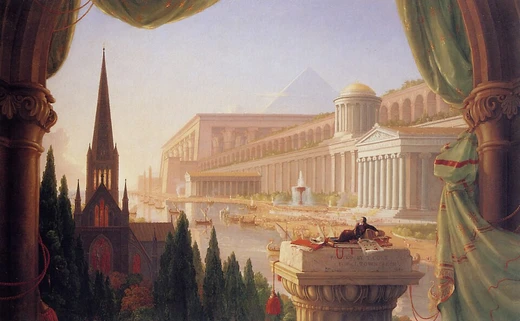
Renaissance architecture
Revival of classical Greek and Roman architectural principles.

Txllxt TxllxT · CC BY-SA 4.0
Renaissance architecture is the European architecture of the period between the early 15th and early 16th centuries in different regions, demonstrating a conscious revival and development of certain elements of ancient Greek and Roman thought and material culture. Stylistically, it followed Gothic architecture and was succeeded by Baroque architecture and neoclassical architecture. Developed first in Florence, with Filippo Brunelleschi as one of its innovators, the style quickly spread to other Italian cities and later to other parts of Europe at different dates and with varying degrees of impact.
- field
- Architecture
- period
- Early 15th to early 16th centuries
- origin
- Florence, Italy
- key_innovators
- Filippo Brunelleschi, Leon Battista Alberti, Andrea Palladio
- key_patrons
- Medici family, Catholic Church
- preceded_by
- Gothic architecture
- succeeded_by
- Baroque architecture, neoclassical architecture
Lore & Background
Renaissance architecture began in Florence in the early 15th century, reflecting a revival of classical Greek and Roman principles such as symmetry, proportion, and geometry. This movement was supported by wealthy patrons, including the Medici family and the Catholic Church, who commissioned works to display both religious devotion and political power. Architects such as Filippo Brunelleschi, Leon Battista Alberti, and later Andrea Palladio revolutionized urban landscapes with domes, columns, and harmonious facades.
Reader's Guide
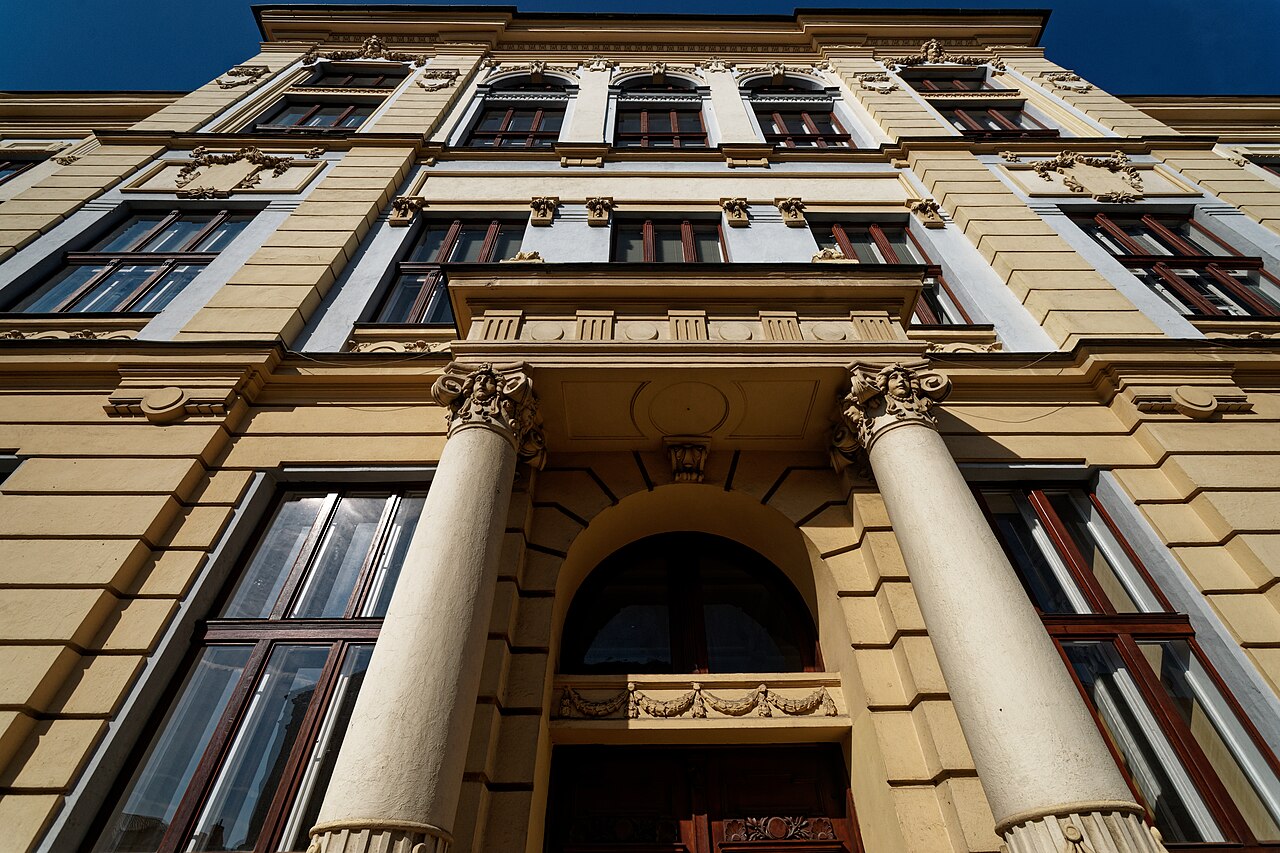
Renaissance architecture emphasizes symmetry, proportion, geometry, and the regularity of parts, as demonstrated in the architecture of classical antiquity and in particular ancient Roman architecture. Orderly arrangements of columns, pilasters, and lintels, as well as the use of semicircular arches, hemispherical domes, niches, and aediculae replaced the more complex proportional systems and irregular profiles of medieval buildings. While Renaissance architecture flourished most in Italy, its influence spread across Europe, reaching France, Spain, and the Low Countries, adapting to local traditions. Public buildings, churches, and palaces became symbols of civic pride and imperial strength, linking humanism with empire-building.
Did You Know?
- The Renaissance style was recognized by contemporaries in the term 'all'antica,' or 'in the ancient manner' (of the Romans).
- The prime example of Quattrocento architecture is the Basilica of San Lorenzo, Florence by Filippo Brunelleschi.
Birth in Florence and the Classical Toolkit
Renaissance architecture was born in the workshops and piazzas of early fifteenth-century Florence, where Filippo Brunelleschi and his contemporaries looked past the ornate complexity of the Gothic tradition and reached back to the measured logic of ancient Rome. The new vocabulary was striking in its clarity: orderly rows of columns and pilasters, semicircular arches, hemispherical domes, and the regular geometry of niches and aediculae replaced the irregular profiles and tangled proportional systems that had defined medieval construction. Symmetry, proportion, and geometric regularity became the governing principles, drawn directly from surviving Roman examples. Behind this transformation stood powerful patrons—the Medici family and the Catholic Church—who commissioned domes, harmonious facades, and grand public buildings that projected both religious devotion and political authority. The result was an urban landscape in which churches, palaces, and civic structures served as visible declarations of humanist ideals and imperial ambition, linking the intellectual currents of the age to the physical fabric of the city.
Three Phases of Classical Mastery
Historians of architecture typically carve the Italian Renaissance into three successive movements, each marking a deepening engagement with classical antiquity. The Quattrocento, spanning roughly 1400 to 1500, was an era of exploration and rule-making. Architects studied ancient sources, adopted classical ornament, and—crucially—began organizing interior and exterior space through proportional logic and geometry rather than the intuitive, irregular rhythms of medieval building. Brunelleschi's Basilica of San Lorenzo in Florence stands as the period's defining statement. In the High Renaissance, roughly 1500 to 1525, those classical ideas were wielded with far greater confidence. Donato Bramante's Tempietto di San Pietro in Montorio, completed in 1503, drew directly on the circular temple forms of Rome while remaining flexible enough to shape the dominant idiom of the sixteenth century. The Mannerist phase, extending from about 1520 to 1600, saw architects like Michelangelo push beyond harmony, employing the giant order and freer spatial rhythms in projects such as the Piazza del Campidoglio, transforming the classical toolkit into a more expressive, almost theatrical language.
Crossing Borders and Grafting Local Traditions
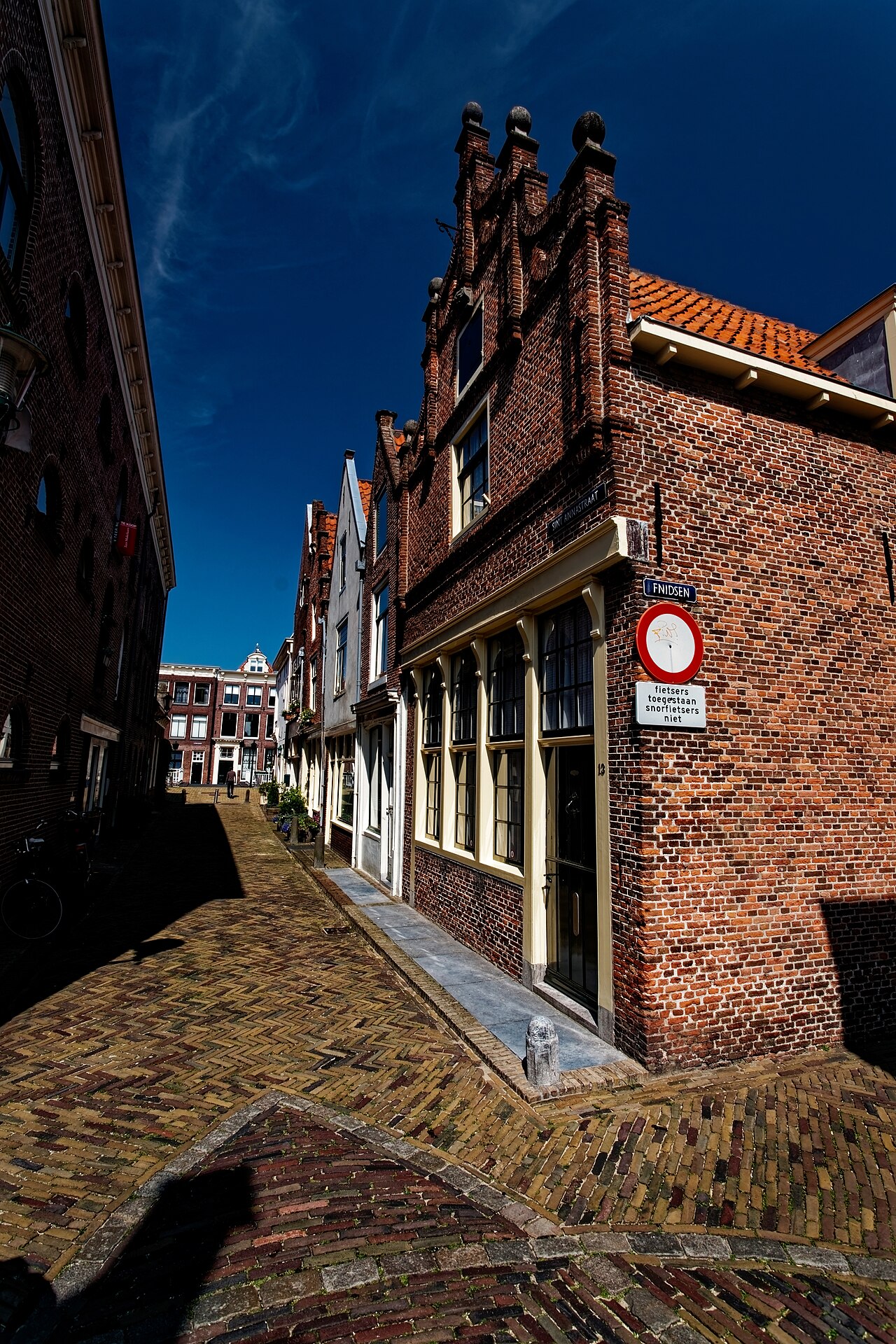
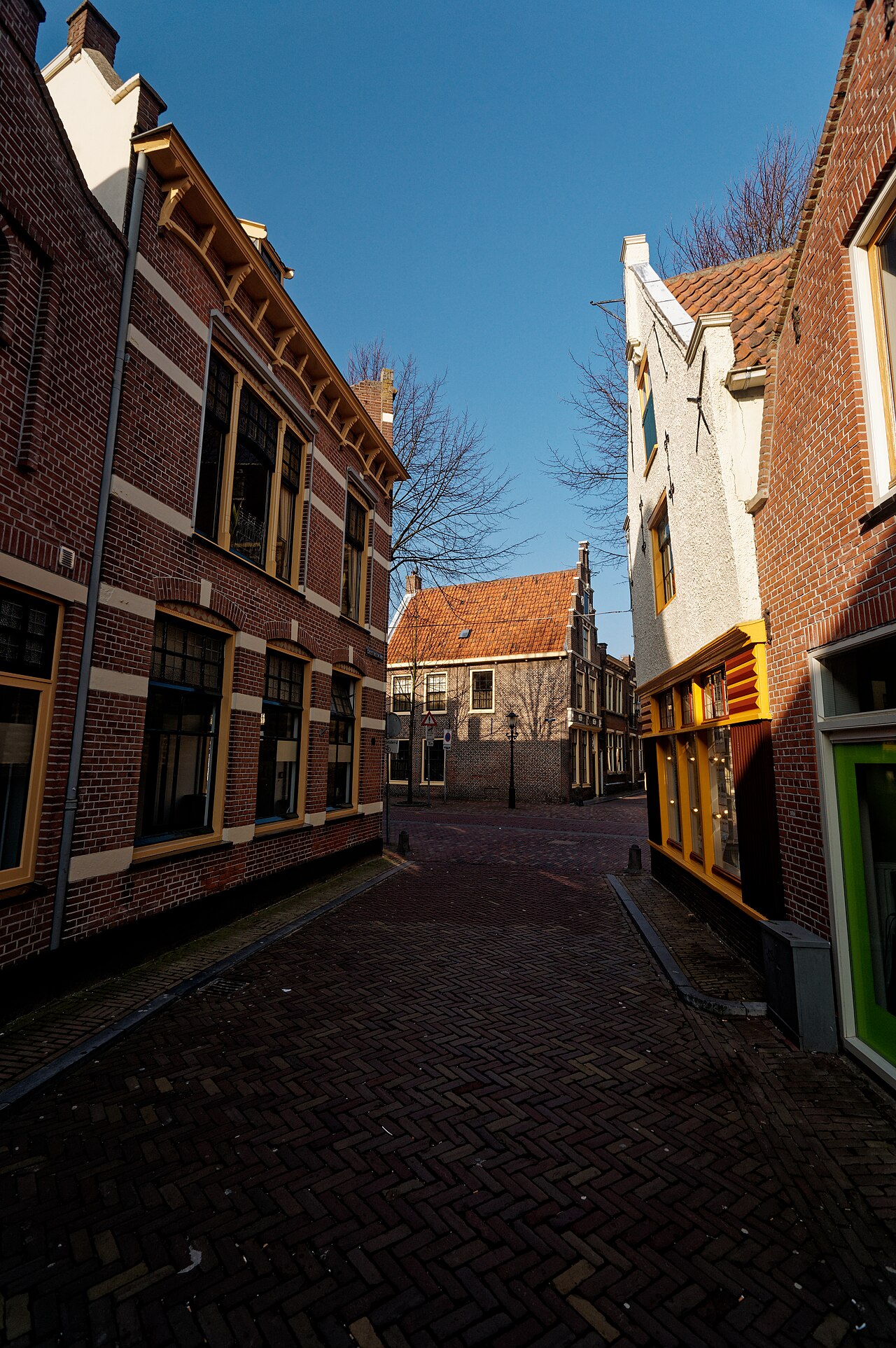
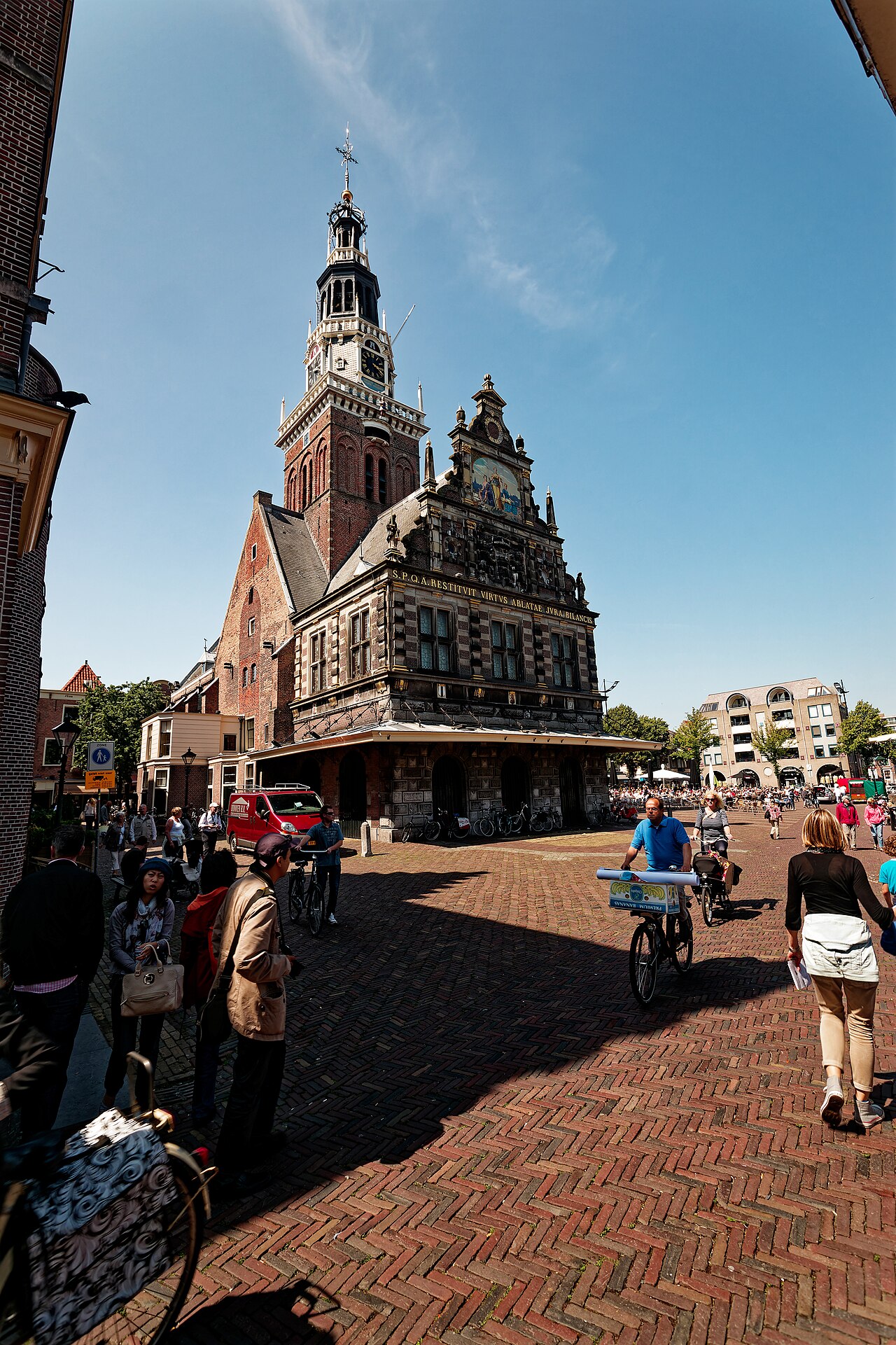
Although the style took root in Florence, it radiated outward with remarkable speed, first saturating the other Italian city-states before crossing the Alps and the Pyrenees. In France, Spain, and the Low Countries, the new vocabulary arrived at different times and with varying force. Most of these regions first produced what scholars call a Proto-Renaissance phase—a tentative blending of local building traditions with imported classical elements—before fully realized Renaissance structures appeared. What made the European spread distinctive was that no single country simply copied the Italian model. Each grafted its own architectural heritage onto the classical framework, so that a Renaissance palace in Lyon, a church in Seville, or a townhouse in Antwerp all carried the same underlying grammar of columns, arches, and proportional order yet looked unmistakably local. Within Italy itself, the style's later divergence among Michelangelo, Giulio Romano, and Andrea Palladio set the stage for the Baroque, which repurposed the same architectural vocabulary for an entirely different rhetorical effect. Outside the Italian peninsula, Baroque ultimately proved more widespread and fully developed than the Renaissance, producing significant buildings as far afield as Mexico and the Philippines.
Naming the Rebirth: Historiography and Legacy
The very name we use to describe this movement is a product of later scholarship. The term Renaissance, rooted in the Italian rinascita meaning rebirth, first surfaced in Giorgio Vasari's 1550 Lives of the Most Excellent Painters, Sculptors, and Architects. The French historian Jules Michelet later popularized the word, but it was the Swiss scholar Jacob Burckhardt whose 1860 volume, The Civilization of the Renaissance in Italy, fixed the concept in the modern imagination and shaped how the period is still interpreted today. Paul Letarouilly's 1840 folio of measured drawings of Roman palaces, churches, and monasteries also rekindled scholarly and public fascination with the era's built environment, while Erwin Panofsky's 1960 study broadened the lens to encompass multiple renascences across Western art. What is often overlooked is that people living through the period had their own label: they simply called the new style all'antica, in the ancient manner of the Romans. That self-awareness—architects consciously reaching backward to forge something new—remains the movement's most enduring legacy, a reminder that the classical vocabulary was never a fixed code but a living toolkit, later repurposed by Mannerists and Baroque masters for radically different expressive ends.
Gallery
Frequently Asked Questions
Who is Renaissance architecture?
Renaissance architecture is a European building style that flourished from the early 1400s into the early 1500s, built on a deliberate return to the design vocabulary of ancient Greece and Rome. It occupies the slot between Gothic and Baroque in the broader timeline of Western building traditions.
What are Renaissance architecture's powers/role?
Its defining strength is the systematic use of classical proportions, symmetry, and geometric order across churches, palaces, and civic structures. In place of Gothic pointed arches and soaring verticals, it favors rounded arches, domes, and balanced facades drawn directly from Roman precedent.
Where does Renaissance architecture's story begin?
The style was first worked out in Florence, Italy, where Filippo Brunelleschi broke new ground in vaulting and proportion during the early 1400s. From that Tuscan starting point it spread to other Italian cities and, at varying speeds, to the rest of Europe.
Who are Renaissance architecture's key allies and patrons?
Leon Battista Alberti and Andrea Palladio expanded on Brunelleschi's early experiments, while the Medici family and the Catholic Church supplied the wealth and commissions that let architects build on a grand scale. Without that patronage the classical vocabulary would have remained largely theoretical.
How does Renaissance architecture's story end?
By the early 1500s the style began yielding to the more theatrical, ornament-heavy language of Baroque architecture, and later to the stricter neoclassical revivals. Its underlying principles, however, never fully vanished and continued to influence building design well past the period's official close.
More in Architectural Styles And Elements 1-18
Spotted an error? Know more?
This is a living reference — every entry is fact-audited, and reader corrections feed straight into our audit queue. Suggest an edit · See this site's audit record