
Ruins
Remains of architecture fallen into partial or total disrepair.

Chris Adams · CC BY-SA 3.0
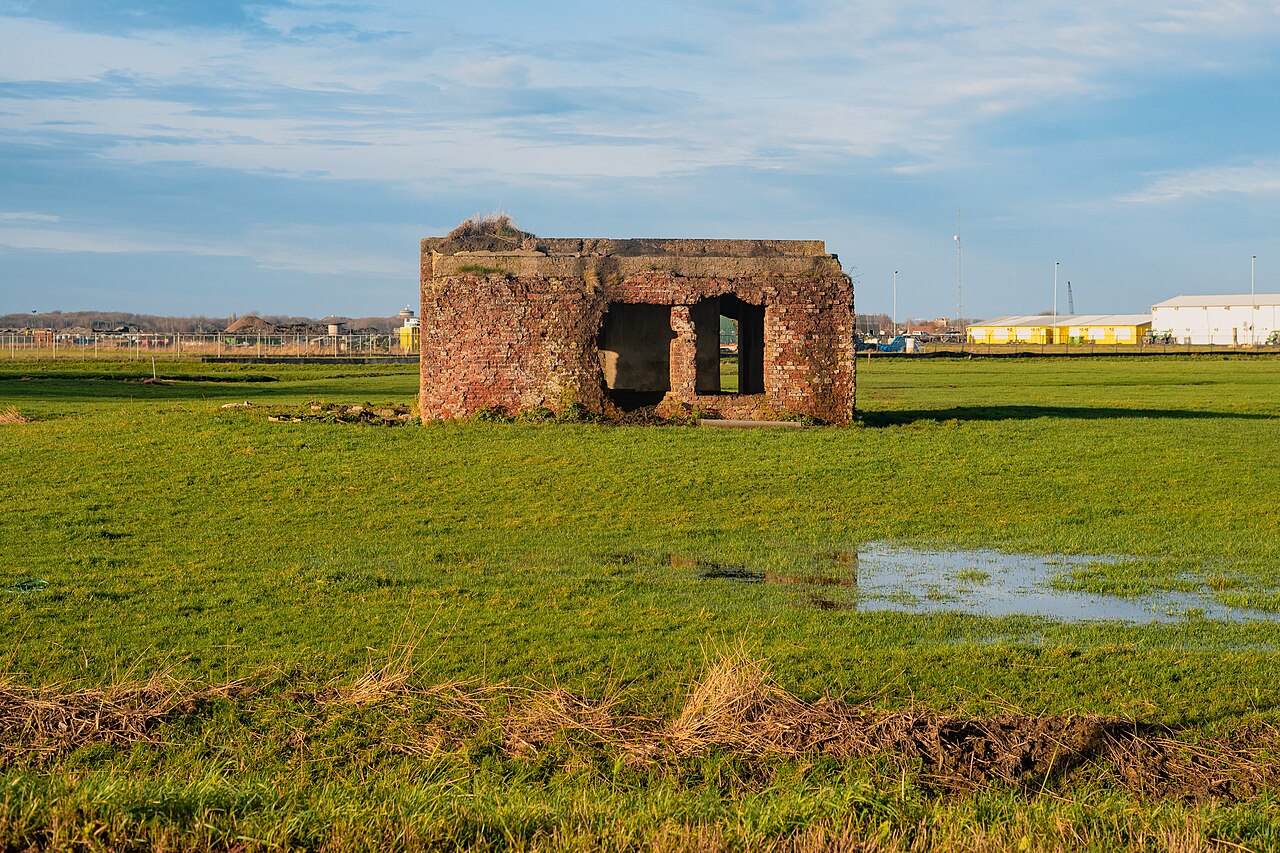
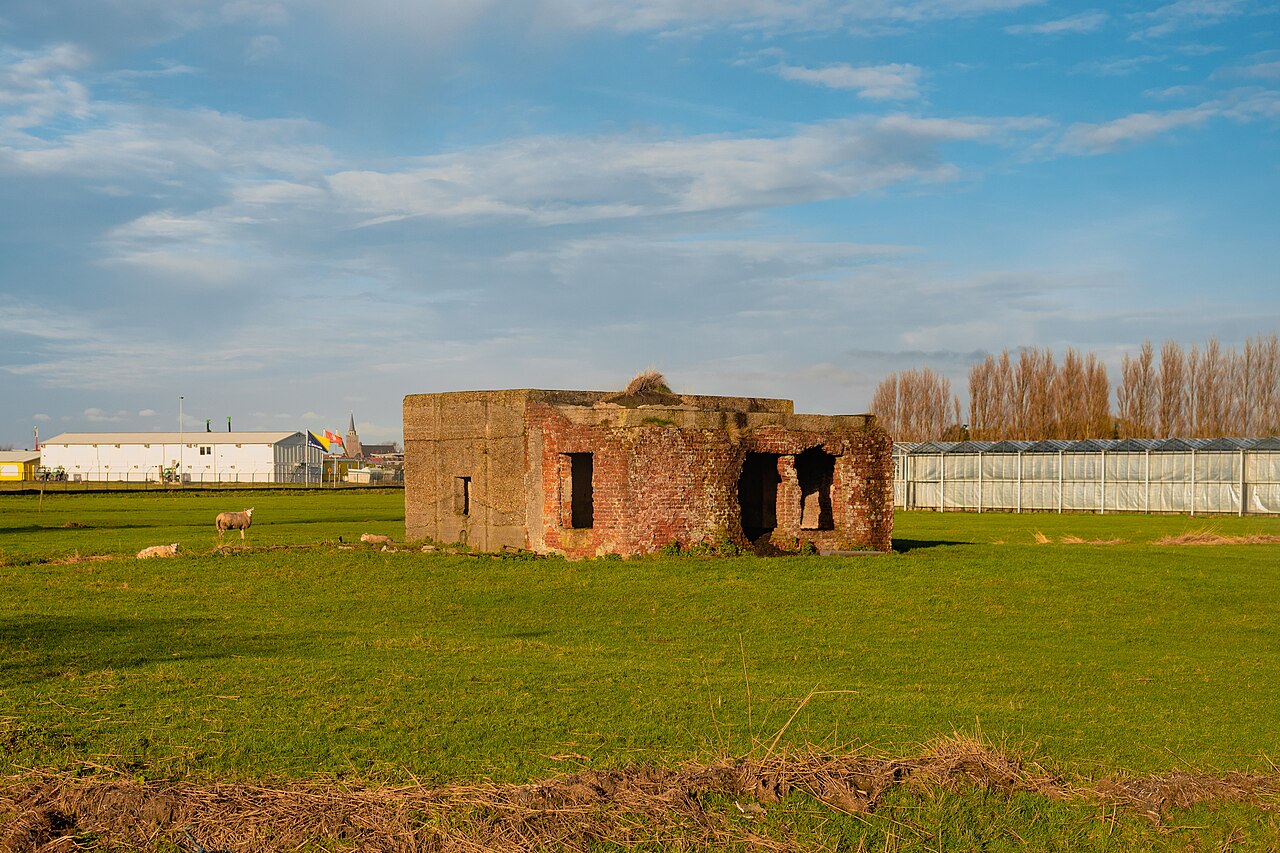
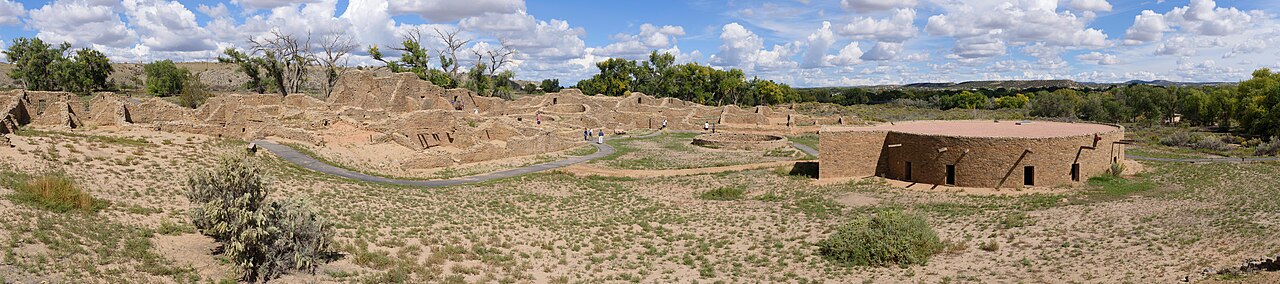
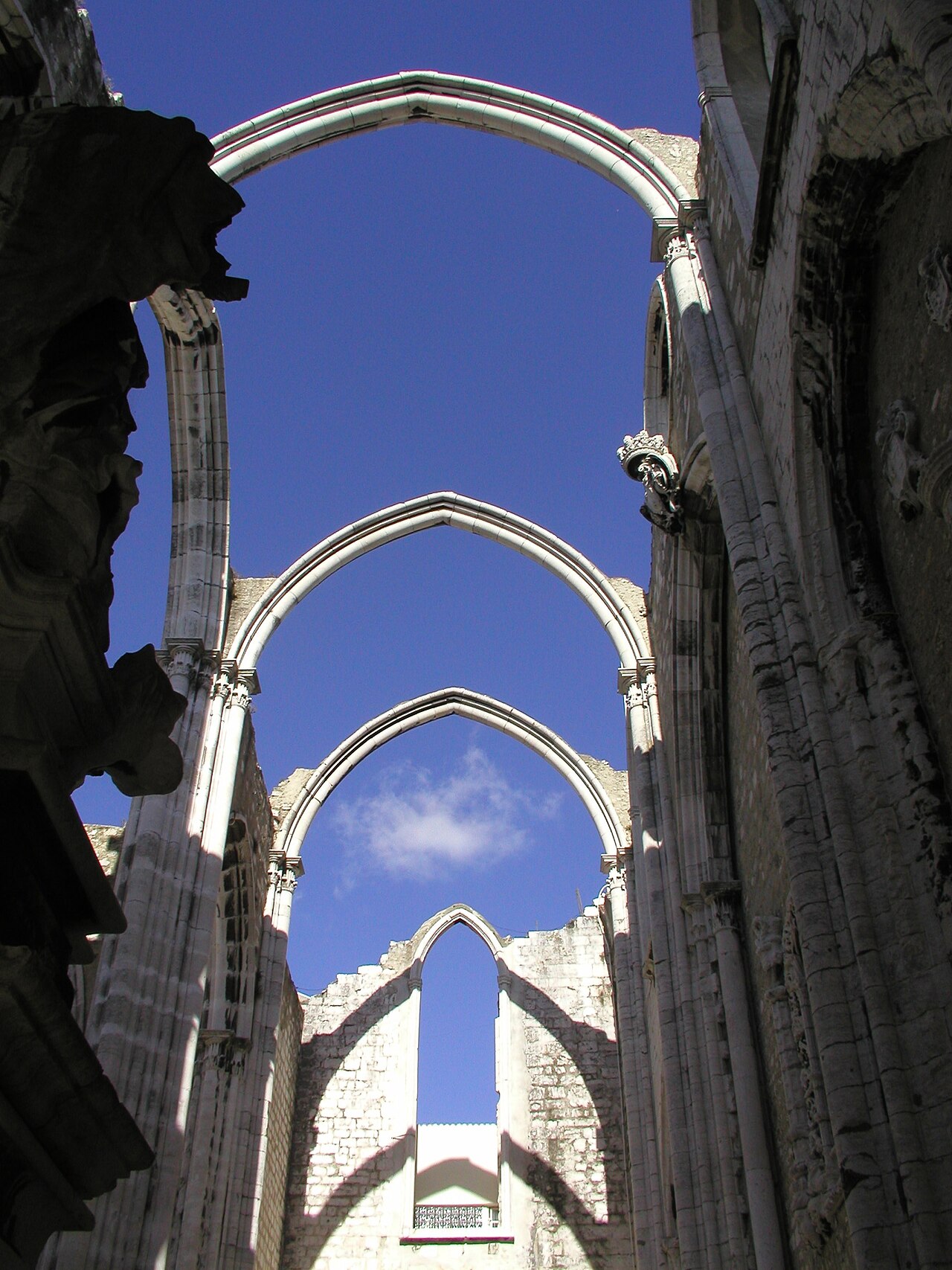
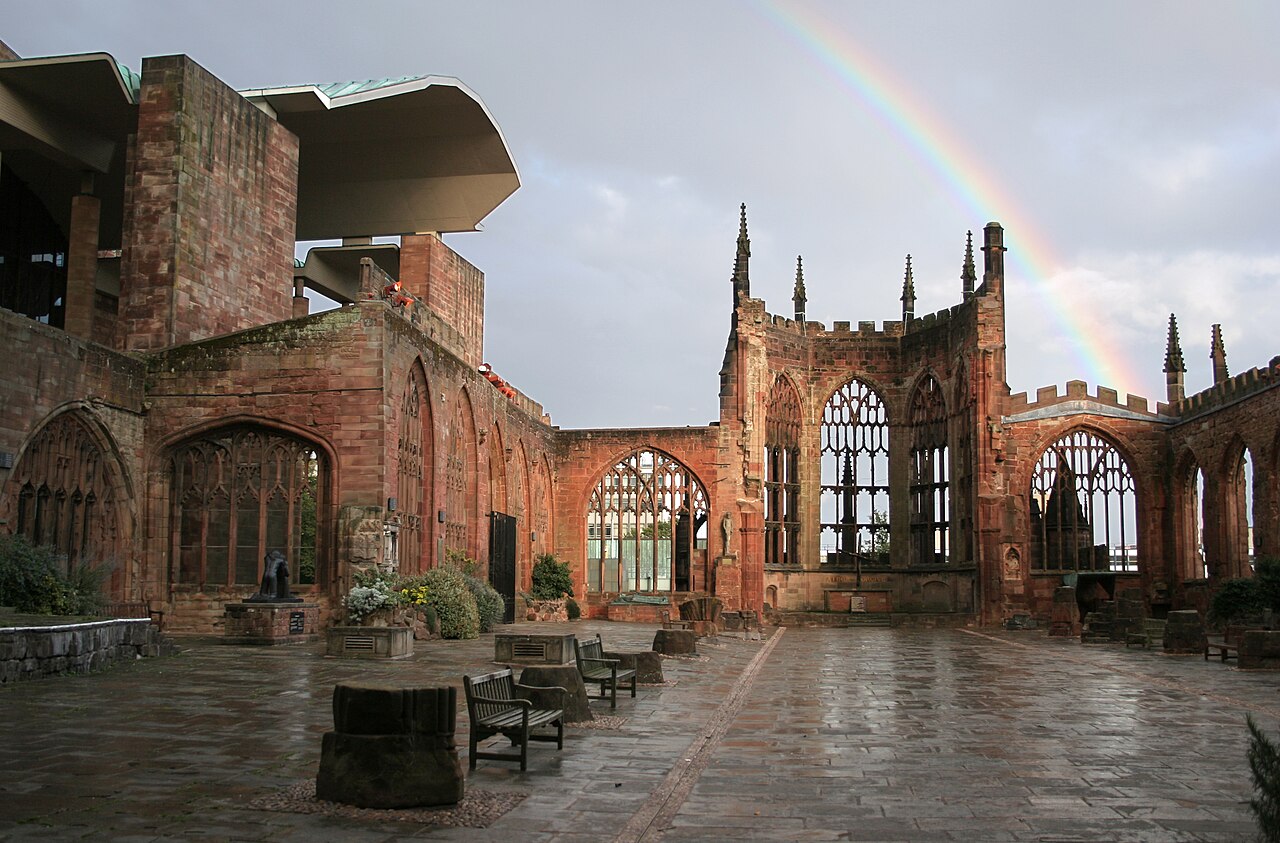
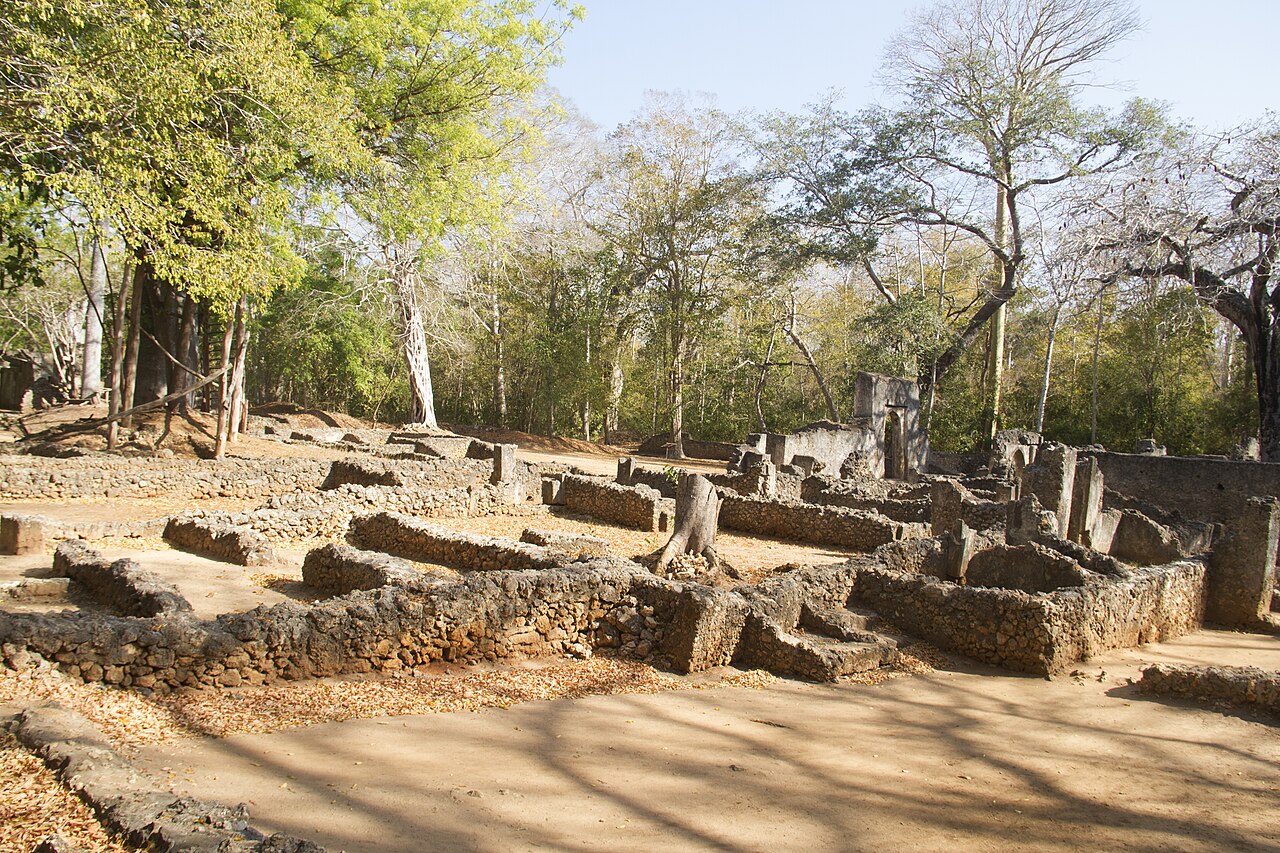
Ruins are the remains of formerly intact structures that have fallen into disrepair due to factors such as lack of maintenance, deliberate destruction by humans, or natural phenomena. They are of great importance to historians, archaeologists, and anthropologists, and many have become UNESCO World Heritage Sites.
- etymology
- Latin ruina 'a collapse'
- common causes
- natural disasters, armed conflict, population decline
- notable regions
- ancient China, Indus Valley, ancient Iran, ancient Israel and Judea, ancient Iraq, ancient Greece, ancient Egypt, ancient Yemen, Roman, ancient India, Mediterranean Basin, Incan and Mayan sites
- examples of ruined cities
- Delhi, Pompeii, Lisbon, Warsaw, Dresden, Coventry, Stalingrad, Königsberg, Berlin, Beirut, Kabul, Sarajevo, Grozny, Baghdad
- aesthetic movements
- Renaissance, Romanticism, Ruinenwert
Lore & Background
Ruins originate from a variety of causes, including natural disasters, armed conflict, and population decline. Many structures become derelict over time due to weathering and scavenging. Famous ruins exist worldwide, from ancient China and the Indus Valley to Incan and Mayan sites in the Americas.
Reader's Guide
Ruins hold significance as records of past civilizations and as subjects of aesthetic appreciation. In the Middle Ages, Roman ruins were seen as impediments and sources of building materials. During the Renaissance, ruins were admired for their beauty and influenced architecture, as seen in the discovery of Nero's Domus Aurea and excavations at Herculaneum and Pompeii. In the Romantic period, ruins of castles became frequent subjects for painters and poets. The concept of Ruinenwert, popularized by Albert Speer, proposed designing buildings to leave aesthetically pleasing ruins. Ruins remain popular in painting, photography, film, and literature, serving as metaphors for decline or decay.
Did You Know?
- The term 'ruins' comes from Latin ruina, meaning 'a collapse'.
- Delhi has been destroyed and ransacked seven to ten times and subsequently rebuilt.
- The ancient Roman city of Pompeii was completely destroyed by a volcanic eruption in the 1st century CE.
- In the 20th century, some European buildings fell into ruin because owners deliberately destroyed roofs to protest property taxes.
Gallery
Frequently Asked Questions
What are ruins in the context of architecture?
Ruins are the surviving fragments of once-complete buildings or structures that have deteriorated through decay, damage, or abandonment. They represent the physical traces left behind after a construction has lost its original integrity.
What most commonly turns an intact structure into a ruin?
The primary drivers are natural disasters such as earthquakes and floods, deliberate destruction during armed conflict, and slow neglect following population decline or abandonment. In many cases, a combination of these factors accelerates the decay.
Where can you find the most famous ruined sites?
Notable examples stretch across ancient Egypt, Greece, Rome, the Indus Valley, and Incan and Mayan civilizations in the Americas. Cities like Pompeii, Delhi, Warsaw, and Coventry also contain well-known ruined districts.
Why are ruins important to scholars and the public?
They provide tangible, on-the-ground evidence of past building techniques, cultural practices, and the rise and fall of civilizations. Their significance is so widely recognized that many have been granted UNESCO World Heritage Site status.
How have ruins shaped art and aesthetic movements?
Both the Renaissance and the Romantic movement drew on the visual and emotional power of decaying architecture. In German-speaking traditions, the concept of 'Ruinenwert' specifically celebrates the unique beauty found in ruined structures.
More in Architectural Styles And Elements 1-18
Spotted an error? Know more?
This is a living reference — every entry is fact-audited, and reader corrections feed straight into our audit queue. Suggest an edit · See this site's audit record